



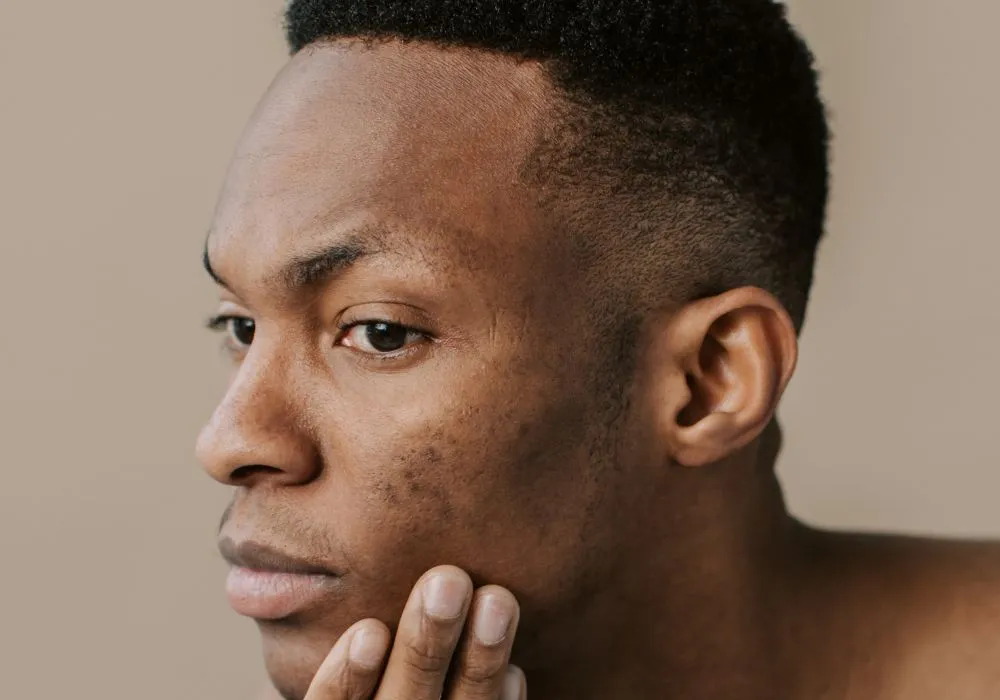
Post-inflammatory hyperpigmentation (PIH) is one of the most common reasons skin looks uneven, and one of the most frustrating, because the original breakout or rash may be long gone while the mark remains. Acne, irritation, or injury can leave brown or grey patches that feel slow to fade and easy to darken again. Understanding why PIH forms, how it differs from other pigment problems, and why treatment must match your skin type is the first step toward clearer, more even tone.
Three Types of Pigmentation
People often talk about “pigmentation” as one issue, but the skin can darken for very different reasons. In the video above, we outline the main patterns, sun-driven colour, hormone-linked patches, and marks that follow inflammation, and why each needs its own approach. When the cause is clear, treatment is safer and more effective, particularly on deeper skin tones. For a wider overview, see our pigmentation guide.
Revival Solutions Available to You
Revival Recommended Treatments


What Is Post-Inflammatory Hyperpigmentation?
PIH happens when the skin makes extra melanin while healing from inflammation, trauma, or irritation. Melanocytes become overactive and deposit pigment in the upper skin, or sometimes deeper, leaving a mark that outlasts the original problem.
- Unlike melasma, PIH always follows a specific inflammatory event.
- Unlike sun spots, it can appear at any age and on any skin type, though it is often more obvious in deeper tones.
PIH is not a disease in itself; it is how pigment cells respond to injury. That is why treatment must calm the skin as well as fade the colour.
What Triggers PIH?
The darker and longer the inflammation, the more stubborn the mark tends to be. Common triggers include:
- Acne and cystic breakouts.
- Insect bites or allergic reactions.
- Eczema, psoriasis, or dermatitis flares.
- Skin infections or rashes.
- Harsh skincare, over-exfoliation, or burns.
- Cosmetic procedures done with incorrect technique or settings.
- Picking, squeezing, or scratching the skin.
PIH in Deeper Skin Tones
PIH is especially common in Fitzpatrick skin types IV-VI, where melanocytes are naturally more responsive. Even mild redness can leave a visible brown mark that takes months to shift.
Heavy peels, aggressive lasers, or the wrong home actives can worsen PIH rather than improve it, another reason a skin-type-matched, doctor-led plan matters.
How PIH Usually Looks
Typical features include:
- Flat discolouration without raised texture.
- Brown, dark brown, grey, or sometimes purple-toned marks.
- Patches that mirror where the inflammation was.
- Areas that darken further with sun or visible light.
Some PIH fades on its own over time; without help, deeper marks can persist for months or years.
PIH vs Melasma vs Sun Damage
All three fall under uneven pigment, but they are not the same condition:
- PIH follows inflammation or injury.
- Melasma is hormone-driven and often chronic.
- Sun spots build from cumulative UV over years.
Mixing up the diagnosis leads to the wrong treatment, and sometimes more pigment. Read our broader discolouration overview if you are unsure which pattern fits you.
Why PIH Needs Professional, Doctor-Led Care
PIH does not respond well to a one-size-fits-all routine. The wrong approach can:
- Deepen existing marks.
- Cause rebound hyperpigmentation.
- Trigger fresh inflammation and new PIH.
A proper assessment helps us:
- Confirm PIH rather than another pigment type.
- Choose safe peels, lasers, and topicals for your tone.
- Lower the chance of recurrence.
- Plan long-term control, not just a quick fade.
Can PIH Be Prevented?
Not every mark can be avoided, but risk drops when you:
- Treat acne and inflammatory skin conditions early.
- Keep hands off spots, no picking or squeezing.
- Use gentle, barrier-supportive skincare.
- Protect skin daily from UV and visible light.
- Get professional advice before cosmetic procedures.
Treatment Options for PIH
Good results usually mean treating the colour and the inflammation that created it, a layered plan works best.
| Treatment Category | Purpose | Clinical Notes |
|---|---|---|
| Medical-Grade Topical Treatments | Calm inflammation and regulate melanin production. | May include tyrosinase inhibitors, anti-inflammatory actives, and barrier repair to reduce repeat PIH while existing pigment fades. |
| Chemical Peels (Carefully Selected) | Speed up cell turnover and help clear surface pigment. | Peel depth is matched to skin type and pigment level so irritation, and new PIH, stay minimal. |
| Energy-Based Treatments | Use controlled light or laser energy on stubborn pigment. | Devices such as Pico Toning are chosen cautiously on deeper tones, with conservative settings and close follow-up. |
| Skin Barrier & Inflammation Control | Stop new PIH forming while old marks fade. | Active acne, eczema, or sensitivity must be stabilised first so melanocytes are not constantly re-triggered. |
| Sun Protection (Essential) | Prevent darkening and relapse of PIH. | Daily broad-spectrum SPF covering UVA, UVB, visible light, and infrared is essential throughout treatment. |
Frequently Asked Questions
PIH consultations and treatments are offered at our Rivonia, Sandton practice, Second floor Room B3, Health and Wellness Center, 353 Rivonia Blvd, Rivonia, Sandton, 2191. Contact us to book an assessment with one of our doctors.
Timing varies. Superficial PIH may soften over a few months with consistent care and sun protection; deeper pigment often needs longer, and professional treatment, before you see a real difference. Your skin type and how faithfully you protect the area matter greatly.
As pigmented cells move upward during renewal, marks can look temporarily darker or more obvious. That is often a normal part of turnover, not proof that treatment has failed, provided inflammation stays under control.
Yes. If acne, sensitivity, or another trigger is still active, new PIH can form even while old marks fade. Managing the underlying condition and using daily SPF helps keep cleared areas clear.
Often yes, but the plan must be adjusted. We usually calm active inflammation first; aggressive pigment treatments on angry skin can make PIH worse. A staged approach is safer and more predictable.
PIH responds differently depending on depth, genetics, hormones, and skin tone. A product or device that helped someone else may be too harsh, or too mild, for you. Personalised planning beats trend-led treatment every time.
Light PIH may improve with medical-grade skincare alone if you use it consistently. Established or recurring marks usually need in-clinic care as well, peels, light devices, or needling, combined with home products and strict photoprotection.
Download Brochure