




Knowing your skin type is one of the most important steps in building an effective skincare routine and choosing safe, results-driven medical aesthetic treatments. Yet many people misidentify their skin, using products that are too harsh, skipping sunscreen because they “don’t burn,” or pursuing lasers and peels that are inappropriate for their Fitzpatrick type.
At Revival Medical Aesthetics, every treatment journey begins with understanding your skin: how much oil it produces, how it reacts to sun and inflammation, and how likely it is to pigment after procedures. This guide explains the two frameworks we use most, functional skin type and the Fitzpatrick scale, and how they influence everything from daily skincare to Botox, fillers, pigmentation treatment, and IV wellness support.
Why Skin Type Matters
Skin type is not a label, it is a clinical roadmap. It helps determine:
- Which active ingredients are safe and effective for you
- How aggressively pigmentation, acne, or ageing can be treated
- Your risk of post-inflammatory hyperpigmentation (PIH) after peels, lasers, or needling
- How your skin will respond to sun exposure in South Africa’s high-UV climate
- Which in-clinic devices and protocols your doctor should select
Two people with similar concerns, such as melasma or fine lines, may need completely different treatment plans based on skin type alone.

Functional Skin Types (Oily, Dry, Combination, Normal & Sensitive)
This is the classification most people recognise from skincare. It describes how your skin behaves day to day, primarily driven by sebum (oil) production, barrier function, and reactivity.
Oily Skin
- Visible shine, especially on the forehead, nose, and chin (T-zone)
- Enlarged pores and a tendency toward breakouts or congestion
- Makeup may slide off more quickly; skin can feel slick by midday
- Care focus: Gentle cleansing, non-comedogenic hydration, salicylic acid or niacinamide where tolerated, and lightweight SPF
Dry Skin
- Tightness, flaking, or rough texture; skin may look dull
- Fine lines may appear more pronounced when dehydrated
- Barrier is often compromised, stinging with active ingredients is common
- Care focus: Ceramides, hyaluronic acid, gentle cleansers, richer moisturisers, and daily sunscreen
Combination Skin
- Oily or congested T-zone with normal or dry cheeks
- Seasonal shifts are common, oilier in humid Gauteng summers, drier in winter
- Care focus: Balance zones with targeted products rather than one heavy routine for the whole face
Normal Skin
- Balanced oil and hydration; few visible pores or sensitivities
- Still requires sun protection and maintenance to prevent photoageing
- Care focus: Consistency, antioxidants, SPF, and age-prevention rather than correction
Sensitive / Reactive Skin
- Redness, stinging, burning, or flushing with products, heat, or stress
- May overlap with rosacea, eczema, or contact dermatitis
- Can be oily, dry, or combination beneath the reactivity
- Care focus: Fragrance-free, barrier-repair formulas; introduce actives slowly; doctor-led assessment before energy-based treatments
The Fitzpatrick Scale: Skin Colour & UV Response
Developed by dermatologist Thomas Fitzpatrick, this scale classifies skin by its response to ultraviolet light, not ethnicity alone. In a diverse country like South Africa, Fitzpatrick typing is essential for safe laser, IPL, and peel selection.
| Type | Description | UV response | Clinical notes |
|---|---|---|---|
| I | Very fair; often freckles, light hair/eyes | Always burns, never tans | Highest skin cancer risk; lasers generally well tolerated with care |
| II | Fair skin | Burns easily, tans minimally | High UV damage risk; strong daily SPF essential |
| III | Light to medium | Sometimes burns, gradually tans | Common in SA; pigmentation still possible after procedures |
| IV | Olive or light brown | Rarely burns, tans easily | PIH risk increases; device settings must be adjusted |
| V | Brown skin | Very rarely burns, tans readily | Lower melanoma risk than I-II, but pigmentation concerns common |
| VI | Deeply pigmented brown to black | Never burns | Significant PIH risk with aggressive peels/lasers; specialised protocols required |
Fitzpatrick type does not replace a full consultation. It is one data point our doctors combine with examination, history, and sometimes diagnostic imaging before recommending treatment.

How to Identify Your Skin Type at Home
Use this simple evening test after cleansing with a gentle, non-active cleanser and waiting 30-60 minutes without applying products:
- Shine across most of the face? Likely oily or combination
- Tight, flaky, or dull? Likely dry or dehydrated
- Oily T-zone only? Likely combination
- Comfortable, no excess oil or dryness? Likely normal
- Stinging, redness, or heat? Sensitive or reactive, note triggers
For Fitzpatrick typing, consider how your unprotected skin responds to midday sun: do you burn, tan, or both? People of the same background can fall into different types. When in doubt, book a professional assessment.
Revival Solutions Tailored to Your Skin
How Skin Type Guides Medical Aesthetic Treatment
At Revival, skin typing directly influences your treatment plan:
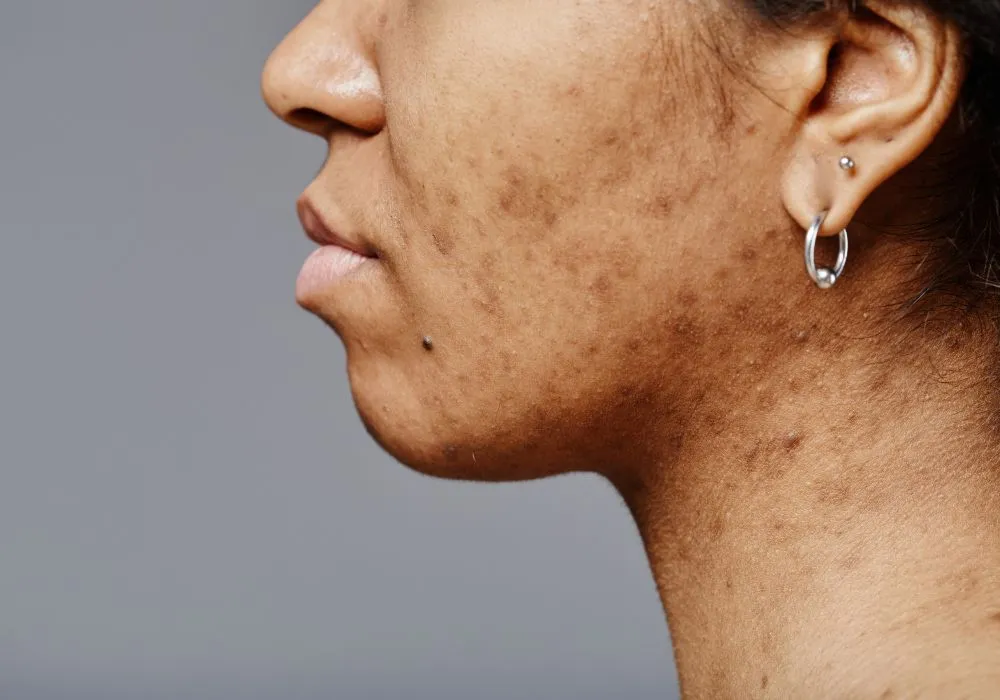
- Pigmentation (melasma, PIH, sun spots): Darker Fitzpatrick types need lower laser fluences, longer intervals, and pigment-safe protocols to avoid rebound darkening. See our pigmentation overview and PIH guide.
- Injectables (Botox, fillers): Generally suitable across types; skin thickness and anatomy guide product placement rather than Fitzpatrick alone.
- Peels & resurfacing: Depth and acid choice depend on oiliness, barrier strength, and PIH risk.
- RF microneedling & lasers: Energy settings calibrated to melanin content and healing response.
- Acne & congestion: Oily and combination skins may tolerate salicylic peels and medical-grade topicals; dry sensitive skin needs gentler pathways.
Skin Type in the South African Context
South Africa combines intense UV, outdoor lifestyles, and one of the world’s most genetically diverse populations. That means:
- All Fitzpatrick types need daily broad-spectrum sunscreen, not only fair skin
- Melasma and PIH are common across types IV-VI; treatment must be conservative and doctor-led
- Seasonal changes in Johannesburg (dry winters, humid summers) can shift functional skin type throughout the year
- Altitude and outdoor sport increase UV load regardless of perceived “tanning ability”
Read more: Why the Sun is Stronger in South Africa.
Common Mistakes When Identifying Skin Type
- Confusing dehydration with dry skin, dehydrated oily skin is very common
- Assuming darker skin does not need sunscreen (melanin offers only partial protection)
- Using online quizzes without examining how skin behaves after cleansing
- Choosing aggressive treatments marketed on social media without Fitzpatrick assessment
- Ignoring that skin type can change with age, hormones, medication, and climate
Book a Doctor-Led Skin Assessment at Revival
Self-assessment is a useful starting point, but medical aesthetics requires precision. Our doctors evaluate your functional skin type, Fitzpatrick classification, medical history, and aesthetic goals before recommending a personalised plan, whether that is medical-grade skincare, injectables, pigmentation correction, or combination therapy.
Call +27 71 036 2777 or contact us to schedule your consultation at our Rivonia, Sandton practice.
Frequently Asked Questions
Functional skin type describes how your skin behaves day to day, how much oil it produces, how hydrated it feels, and how reactive it is. Categories include oily, dry, combination, normal, and sensitive.
Fitzpatrick type (I-VI) describes how your skin responds to ultraviolet light, whether you burn, tan, or both. It is critical for laser, IPL, and peel safety, especially in preventing post-inflammatory hyperpigmentation.
Both frameworks matter. You might have oily, Fitzpatrick IV skin, or dry, sensitive, Fitzpatrick II skin, each combination needs a different treatment approach.
Yes. Hormones, age, climate, medications, pregnancy, and skincare habits can all shift how your skin behaves. Many people notice oilier skin in humid Gauteng summers and drier, tighter skin in winter.
Fitzpatrick classification is generally stable, but sun exposure and certain treatments can alter pigmentation response. Reassess your routine seasonally and after major life changes, and book a consultation if your skin suddenly becomes reactive or uneven.
Lasers and chemical peels target specific layers of skin. In darker Fitzpatrick types (IV-VI), higher melanin content increases the risk of burns, blistering, and post-inflammatory hyperpigmentation if settings are too aggressive.
At Revival, doctors adjust device parameters, peel depth, and pre/post care based on your Fitzpatrick type and functional skin profile. This is why a treatment that worked for someone online may not be safe for you, and why professional assessment comes first.
Yes, regardless of Fitzpatrick type or oil level. Melanin provides only partial UV protection (roughly equivalent to SPF 3-5). Darker skin is still vulnerable to melasma, PIH, photoageing, and skin cancer.
For oily skin, choose lightweight, non-comedogenic, broad-spectrum SPF 50+ formulas. Gel or fluid textures work well. Daily sunscreen also protects pigmentation treatments and prevents melasma relapse, one of the most common concerns we see in Johannesburg.
Dehydrated skin lacks water, it can feel tight and look dull while still producing oil. It often improves with gentle hydration and barrier repair.
Sensitive skin reacts with persistent redness, stinging, or flushing to products, heat, or stress. It may indicate rosacea, eczema, or a compromised barrier requiring medical evaluation.
If you are unsure, avoid layering multiple active ingredients at home and book a doctor-led skin assessment. Over-treating suspected sensitivity with harsh products often makes both conditions worse.
Book a Skin Assessment