



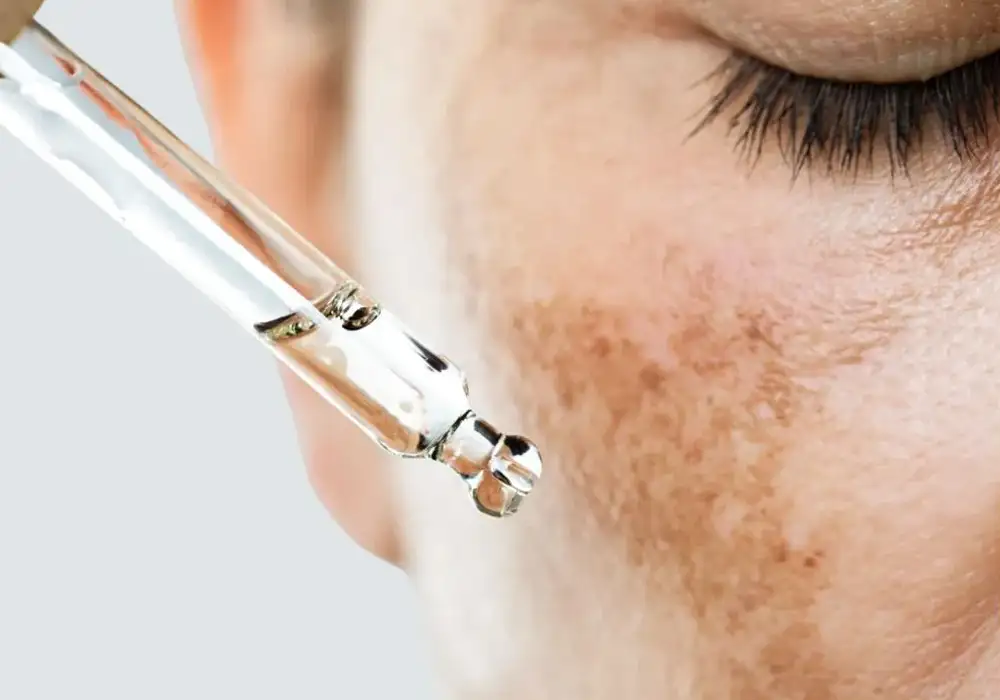
Melasma is one of the most persistent pigment conditions we treat, often fed by hormones, sun, heat, inflammation, and family tendency all at once. Patches can improve and then return if only the surface colour is treated. At Revival, our doctors take a medical, whole-person view: identifying triggers, layering in-clinic technology with targeted skincare and lifestyle support, and building a plan you can maintain long term for clearer, more even skin.
Melasma explained
In the video above, Our clinical team walks through why melasma is so complex, hormonal drivers, lifestyle factors, inflammation, and newer thinking around regenerative approaches. If you are new to pigment problems, our pigmentation overview offers useful background before you dive deeper here.
Revival Solutions Available to You
Revival Recommended Treatments


What Is Melasma?
Melasma shows up as brown or grey-brown patches, most often on the cheeks, forehead, upper lip, nose, or chin. Melanocytes produce too much melanin, creating symmetrical areas of colour that can be epidermal, dermal, or mixed.
It is more common in women and in people with deeper skin tones. Melasma is not dangerous, but it can affect confidence and usually needs ongoing management rather than a single fix.
What Causes Melasma?
Effective control starts with knowing what keeps melanocytes active. Common drivers include:
- Sun and light exposure: UV is the main external trigger; visible light and heat can worsen patches too.
- Hormonal change: Pregnancy, the pill, and HRT are classic triggers, hence the “mask of pregnancy.”
- Genetics: Melasma often runs in families.
- Skin inflammation: Pollution, harsh products, and some medicines irritate skin and deepen pigment.
- Heat: Cooking, saunas, and hot environments, not just sunlight, can flare melasma.
- Dermal-epidermal junction: Weakness at this boundary plays a role in how pigment anchors in the skin.
Read more in our guide to hidden causes of chronic melasma.
Lifestyle Factors That Can Worsen Melasma
Daily habits strongly influence how well treatment holds. Watch for:
- Skipping sun protection: Even brief unprotected exposure can undo weeks of progress.
- Hormonal contraceptives: Synthetic oestrogens can trigger or aggravate patches.
- Chronic stress: Stress shifts hormones and inflammation, both of which show on the skin.
- Poor sleep and diet: Both affect gut health and hormone balance over time.
Sun avoidance where possible, stress care, anti-inflammatory eating, and hormone awareness all support in-clinic results.
See also why melasma is difficult to treat.
Combination Treatments for Melasma
Melasma rarely responds to one modality alone. We look beyond the visible patch, to hormones, gut health, inflammation, and environment, and build protocols that combine technology, skincare, supplements where appropriate, and realistic home routines.
That lets us work on surface colour and deeper drivers at the same time. After consultation, your plan may include options such as:
- Chemical peels: Selected peels lift superficial pigment and support renewal.
- Laser and light therapy: Pico Toning, fractional lasers, and IPL may address dermal pigment when settings suit your skin.
- Skin needling: Dermapen, R.Pen, Secret RF, and Endymed Intensif can improve penetration and regeneration.
- Transdermal mesotherapy: Actives delivered deeper via Dermo-electroporation.
- LED / PDT: Supports healing, calms inflammation, and evens tone.
- MesoBrite™: Our advanced depigmentation protocol for stubborn melasma.
Choices depend on whether your melasma is mainly epidermal, dermal, or mixed, and how reactive your skin is.
Topical Products and Oral Support for Melasma
In-clinic sessions move the needle; home care and internal support keep results. Consistency matters as much as the treatment itself.
Revival products often used in melasma plans:
- Azelaic Acid 10% Cream
- Couperosis Cream
Other ingredients we may recommend:
- Niacinamide: Helps calm inflammation and uneven tone.
- Retinoids (retinol or tretinoin): Support cell turnover and help prevent pigment buildup.
- Hydroquinone (prescription only): A well-established option for melanin suppression when medically appropriate.
- Tranexamic acid: Available topically or orally for resistant pigment.
Lifestyle Strategies That Support Vascular Stability
| Lifestyle Strategy | How It Helps |
|---|---|
| Anti-Inflammatory Diet | Lowers systemic inflammation and supports steadier hormones. |
| Sun & Heat Protection | Reduces UV- and heat-driven flares in pigment and blood vessels. |
| Stress Management | Helps cortisol and vascular tone stay more stable. |
| Gut & Hormonal Health Support | Addresses internal inflammation and hormone patterns that feed melasma. |
Frequently Asked Questions
Melasma consultations and treatments are offered at our Rivonia, Sandton practice, Second floor Room B3, Health and Wellness Center, 353 Rivonia Blvd, Rivonia, Sandton, 2191. Contact us to book an assessment with one of our doctors.
Melasma usually appears as symmetrical brown or grey-brown patches on the cheeks, forehead, upper lip, or chin. Size varies, and sun or hormonal shifts often make patches more obvious. It can look similar to PIH or sun spots, another reason professional assessment helps.
No single vitamin deficiency directly causes melasma. Low levels of nutrients such as vitamin D or B12 can affect overall skin health, but melasma is driven mainly by light, hormones, and genetics. A balanced, antioxidant-rich diet supports treatment, it does not replace it.
Daily broad-spectrum SPF 50+, hats, and limiting peak sun help most. Ingredients such as vitamin C and tyrosinase inhibitors in your home routine also support control. Managing stress and hormone triggers, where possible, reduces spread and relapse.
No food directly “causes” melasma, but highly processed, sugary, or inflammatory diets may worsen skin inflammation overall. Emphasising vegetables, fruit, omega-3s, and whole foods supports the skin environment while you treat pigment medically.
Melasma linked to pregnancy or stopping the pill sometimes fades on its own, but often not completely. Without ongoing sun protection, skincare, and maintenance, patches persist or return. Think of melasma as a condition to manage, not a one-time problem to cure.
Oestrogen and progesterone are strongly linked to melasma, levels rise in pregnancy, with oral contraceptives, and during HRT, which can trigger or worsen symmetrical facial patches.
Yes. Because pigment can sit deep and triggers continue, melasma is often challenging. Meaningful improvement usually needs combined professional care, strict photoprotection, and long-term home management, not a single peel or laser session.
Download Brochure