



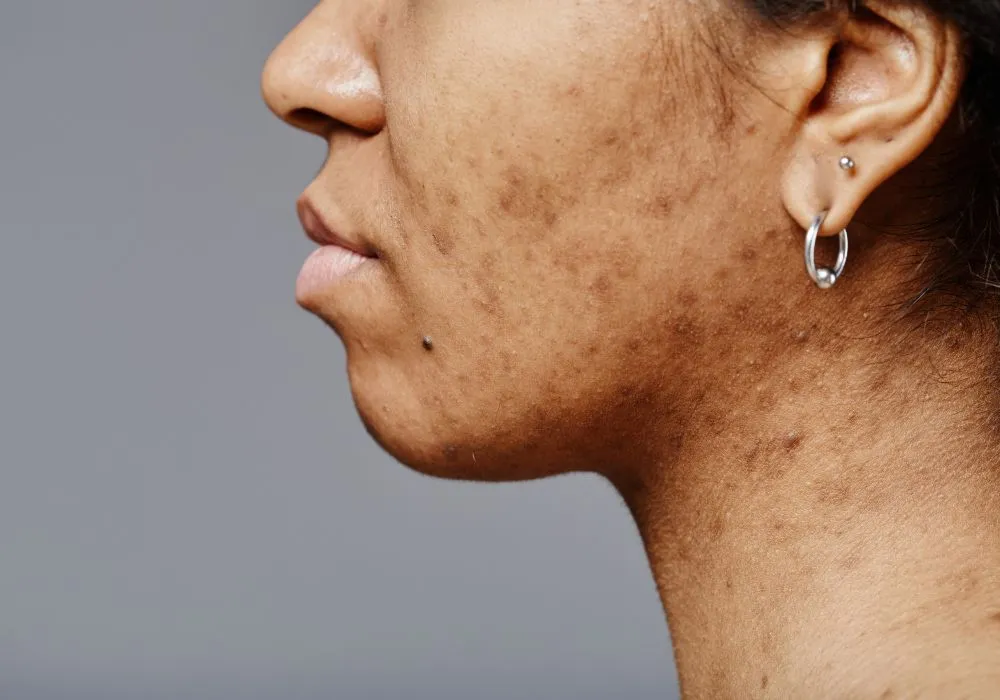
Uneven colour in the skin is rarely a simple cosmetic issue. Patches and blotches usually tell a story about sun, hormones, inflammation, genetics, or daily habits, and often a mix of these. Some people notice mild patchiness; others live with dark marks that fade briefly and then return. Before treatment can work well, it helps to know which type of pigment you have and what is keeping it active. That is where a clear, doctor-led plan begins.
What Is Pigmentation?
Pigment changes are among the most frequent reasons patients visit our clinic, especially in a high-UV climate like South Africa. Melanin can be pushed into overdrive by hormones, medicines, the pill, heat, pollution, and years of sun. The result is uneven tone, defined dark patches, or a general dullness that skincare alone rarely shifts. Because each pattern has a different driver, lasting improvement starts with naming the problem correctly, not treating every brown mark the same way.
Revival Solutions Available to You
Revival Recommended Treatments


At Revival, uneven tone is one of the conditions we see most often, and one of the most misunderstood. Sun spots, hormonal melasma, and post-inflammatory marks (PIH) can look similar on the surface yet behave very differently underneath. Many patients have more than one type at once.
Because pigment is rarely skin-deep only, a single cream or laser session is seldom enough. Lasting clarity usually needs a proper assessment, layered in-clinic care, sensible home products, and strict daily photoprotection, matched to your skin type and history.
What Drives Pigmentation and Discolouration?
Colour changes happen when melanocytes make extra melanin after a trigger, inside or outside the skin. Frequent contributors include:
- Years of sun, UV, and visible light exposure.
- Hormone shifts, pregnancy, contraception, HRT, or thyroid change.
- Inflammation or trauma from acne, rashes, burns, or procedures.
- Ageing and built-up photodamage over time.
- Genetics and baseline melanin activity in your skin type.
- Stress, sleep, diet, heat, and environmental exposure.
- Some prescription medicines that sensitise skin to light or pigment.
Knowing why your skin is producing pigment guides both treatment choice and how we prevent it coming back.
Why Pigment Is Often Hard to Shift
Not all colour sits in the same layer. With melasma, pigment can extend into the dermis and stay “switched on” by inflammation, blood vessels, or internal triggers, even when the surface looks lighter for a while.
Treat the patch alone without the driver, and it commonly returns.
That is why we favour steady, personalised medical care over quick-fix protocols copied from social media.
Sun and Light: The Constant Trigger
UV remains the biggest amplifier of almost every pigment problem. UVA, UVB, visible light, and heat can all wake melanocytes and deepen existing marks.
In South Africa, intensity is high through much of the year, so protection is part of treatment, not an optional extra.
- Sun-damaged skin
- Why the sun feels stronger in South Africa
Broad-spectrum sunscreen used every day is non-negotiable while we treat pigment.
Common Pigment Patterns We See
No two faces are identical. Here is a brief guide to the patterns we assess most often, each links to more detail on our site.
Age Spots and Sun Spots
Flat brown marks from cumulative UV, often on the face, hands, chest, and shoulders. They are a visible sign of photo-ageing rather than a single “spot” problem. Read more on age spots.
Hormonal Pigmentation / Melasma
Symmetrical brown or grey-brown patches on the cheeks, forehead, upper lip, or jaw, common in women and deeper skin tones. Hormones, genetics, and sun overlap; without ongoing control, melasma flares again. See our melasma page.
Post-Inflammatory Hyperpigmentation (PIH)
Dark marks left after acne, eczema, bites, or skin injury. PIH follows the shape of the original inflammation and is especially stubborn in Fitzpatrick IV-VI skin. Learn more about PIH.
Poikiloderma of Civatte
A mixed pattern on the neck and chest, redness, brown pigment, and fine textural change, usually tied to chronic sun and sometimes hormones. Details on poikiloderma of Civatte.
General Discolouration
When tone is uneven but does not fit one label, we often find overlapping sun, inflammation, and barrier issues. Our discolouration overview explains how we untangle that.
Our Doctor-Led Approach to Pigment
We treat pigmentation as a medical skin condition, not a quick cosmetic fix. Your plan may include:
- Clear diagnosis of pigment type, depth, and PIH risk.
- Combination protocols rather than one standalone treatment.
- Energy-based devices and medical-grade skincare chosen for your tone.
- Addressing hormones, inflammation, and lifestyle where relevant.
- Maintenance and prevention so gains are not lost to the next flare.
That layered model helps us improve colour safely across skin types while lowering the risk of rebound darkening.
Book a Pigmentation Assessment
If uneven tone, dark marks, or recurring patches are affecting you, start with a proper assessment.
Our doctors will map your pigment pattern and build a plan aimed at the cause, not just the colour you see in the mirror today.
Frequently Asked Questions
Pigmentation consultations and treatments are offered at our Rivonia, Sandton practice, Second floor Room B3, Health and Wellness Center, 353 Rivonia Blvd, Rivonia, Sandton, 2191. Contact us to book an assessment with one of our doctors.
Yes, many pigment problems, especially melasma and sun-related marks, behave like chronic conditions. They can fade and then return if triggers such as UV, hormones, or inflammation are not managed. Long-term success usually means daily photoprotection, sensible home care, and occasional maintenance, not a once-off procedure.
Similar-looking patches can have very different causes beneath the surface. A face-to-face assessment helps us judge pigment depth, vascular involvement, hormonal influence, and your skin type, all of which shape what is safe and what is likely to work.
Yes, when devices, ingredients, and settings are chosen for deeper tones. The wrong peel, laser, or DIY routine can trigger PIH. That is why we tailor every plan and monitor progress closely.
Some treatments speed up cell turnover, which can temporarily bring deeper pigment toward the surface before it sheds. That can look darker for a short time. We watch this phase carefully to keep inflammation controlled and progress safe.
Change is gradual. Some patients notice early softening within a few weeks; most meaningful improvement needs a series of treatments over months, plus consistent home care and sun protection.
Absolutely. Hormonal imbalance, insulin resistance, ongoing inflammation, stress, gut health, and certain medicines can all influence pigment. When we address those internal drivers alongside in-clinic care, outcomes tend to be better and flares less frequent.
Download Brochure