



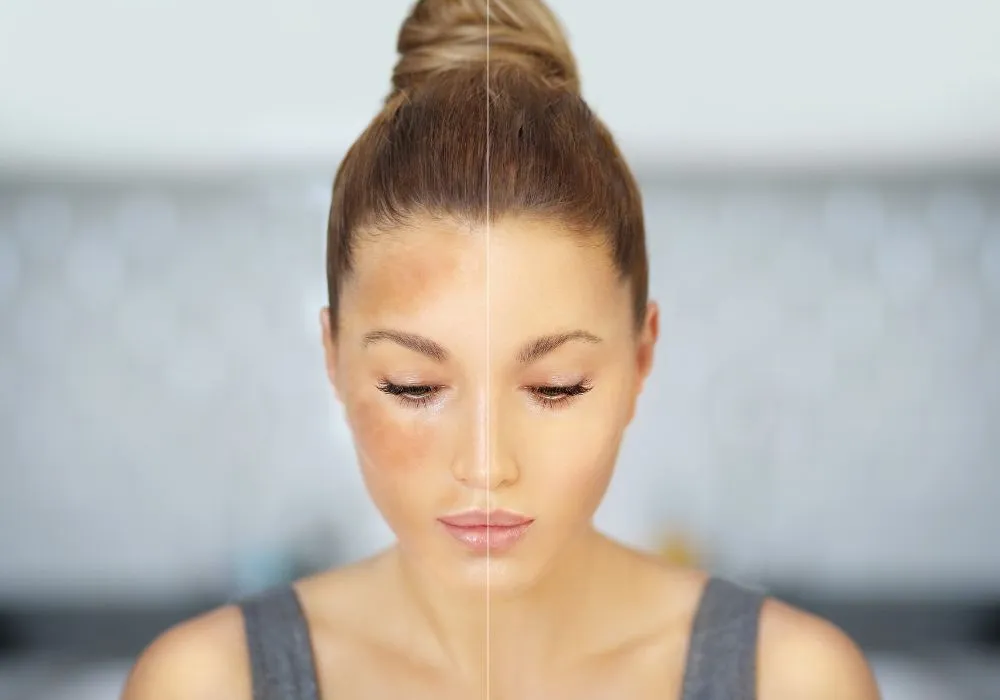
What makes melasma so stubborn is the way its triggers overlap, subtle hormonal shifts, genetic sensitivity, and constant UV and visible light that can reactivate pigment cells. Deeper melanin sits beneath a compromised barrier, inflammation, and metabolic changes; even a small skincare misstep can bring patches back. At Revival, we plan around each layer of that complexity rather than relying on a single cream or procedure. Our approach combines thorough assessment, advanced in-clinic options, and personalised care aimed at longer-lasting control.
Melasma explained
Melasma sits at the intersection of hormones and inflammation, which is why it remains one of the most demanding pigmentation conditions we treat. In this video, Our clinical team discusses regenerative management strategies, covering hormonal drivers, lifestyle influences, and inflammatory pathways such as mast cell activation.
Revival Solutions Available to You
Revival Recommended Treatments


Why Melasma Is Hard to Treat
Melasma develops when several factors push pigment production at once. Even modest sun can activate melanocytes, while hormone changes, during pregnancy or on contraception, can keep them in overdrive.
There is no quick fix because multiple layers of the problem need attention at the same time. The points below outline why a broad, targeted plan matters for lasting results.
- It keeps coming back: Melasma is relapsing by nature; clearance often gives way to new patches when triggers return.
- Pigment can sit deep: Epidermal colour may respond to topicals, but mixed or dermal melasma needs in-clinic intervention.
- Irritation backfires: Harsh lightening agents can inflame the skin and worsen pigment unless paired with soothing, barrier-supportive care.
- Triggers never switch off: Daily sun and ongoing hormonal flux can sustain melasma despite a diligent routine.
Mechanisms That Make Melasma Worse
Disruption at the Epidermal-Dermal Junction
When the basement membrane is damaged, melanocytes and pigment can migrate into the dermis as pendulous melanocytes. Dermal pigment is significantly harder to treat than colour confined to the surface.
Methylation Imbalance
Methylation acts like switches on our DNA, turning genes on or off without changing the code itself. In melasma, pigment-related genes can get stuck in the “on” position, so melanocytes overproduce colour. Sunlight can flip more switches and deepen the tone. Treatments such as retinoic acid, niacinamide, and mineral sunscreens help reset that balance, easing oxidative stress and calming overactive pigment pathways.
Gut Health and Constipation
Slow bowel transit prolongs oestrogen recirculation and raises systemic inflammation, both of which can indirectly fuel hyperpigmentation.
Vascular Influence
Melasma is not only about excess melanin; blood vessels matter too. Addressing inflammation and vessel overgrowth often improves outcomes when topicals alone fall short. Here is how vascular activity contributes:
- More vessels, more signal: Melasma-affected skin frequently has denser, larger vessels that deliver activators to melanocytes.
- VEGF as messenger: Vascular endothelial growth factor (VEGF) drives new vessel formation and dilation, making pigment-triggering signals easier to reach melanocytes.
- Inflammation feeds pigment: Vessels release inflammatory mediators such as histamine; leaky capillaries sustain inflammation that deepens discolouration.
Sun Exposure
UV is a primary melasma trigger and does more than darken existing patches. It can increase blood-vessel activity in the skin, potentially worsening pigment through several routes:
- VEGF production: UV raises VEGF, encouraging new vessel growth.
- Nitric oxide: UVB stimulates nitric oxide, leading to vasodilation and increased melanin synthesis.
- Barrier damage: Chronic UV weakens skin structure, which can promote further vascular change and pigment.
Daily sun protection is essential in melasma care, especially when increased vascularity is part of the picture.
Hormonal Influences
Hormones strongly shape melasma, particularly through vessel changes and melanocyte activity.
- Oestrogen promotes blood-vessel growth and increases melanocyte activity.
- Progesterone and luteinising hormone (LH) can also affect how sensitive skin is to pigmentation, though usually less dramatically.
- Thyroid hormones, especially when thyroid disease is present, have been associated with melasma and can influence both pigment and skin blood flow.
Gut Health
Research increasingly links chronic pigmentation, gut imbalance, including increased intestinal permeability, and systemic inflammation. Poor gut health can raise inflammation, disrupt hormones, and increase oxidative stress, all of which can aggravate hyperpigmentation.
Probiotics, prebiotics, anti-inflammatory foods, and reducing common irritants such as gluten, dairy, and excess sugar may help limit flare-ups over time.
Repairing the Basement Membrane
Melasma reflects complexity across skin and body, from external exposure to internal currents, so one remedy rarely suffices. At Revival, we combine clinical science with personalised support: sun-smart habits, targeted treatments, and holistic care that addresses each layer of the problem, step by step.
Frequently Asked Questions
Melasma consultations and treatments are offered at our Rivonia, Sandton practice on the second floor of the Health and Wellness Center, 353 Rivonia Boulevard. Contact us to book an assessment with one of our doctors.
Melasma typically appears as brown or grey-brown patches on the cheeks, forehead, upper lip, and chin. The distribution is often symmetrical. Sun exposure and hormonal changes are common triggers.
Wear broad-spectrum SPF 50+ every day, limit prolonged sun exposure, and use products with vitamin C and tyrosinase inhibitors. Keeping stress in check and stabilising hormones where possible also helps prevent patches from spreading.
No single food directly causes melasma, but diets heavy in processed sugar, dairy, and inflammatory foods can worsen skin inflammation and make pigmentation harder to control. Antioxidant-rich fruit and vegetables and omega-3 sources support healthier skin overall.
Melasma can fade, especially when pregnancy or contraception was the main driver, but it usually needs ongoing treatment and maintenance. Without consistent care and sun protection, patches often persist or worsen.
Oestrogen and progesterone are most strongly linked to melasma. Levels rise during pregnancy, with oral contraceptives, and during hormone replacement therapy (HRT), which can trigger or intensify patches.
Yes. Its chronic course and tendency to involve deeper pigment make melasma challenging. Noticeable improvement and fewer relapses usually require professional treatments, daily sunscreen, and a long-term skincare plan matched to your triggers.
Download Brochure