



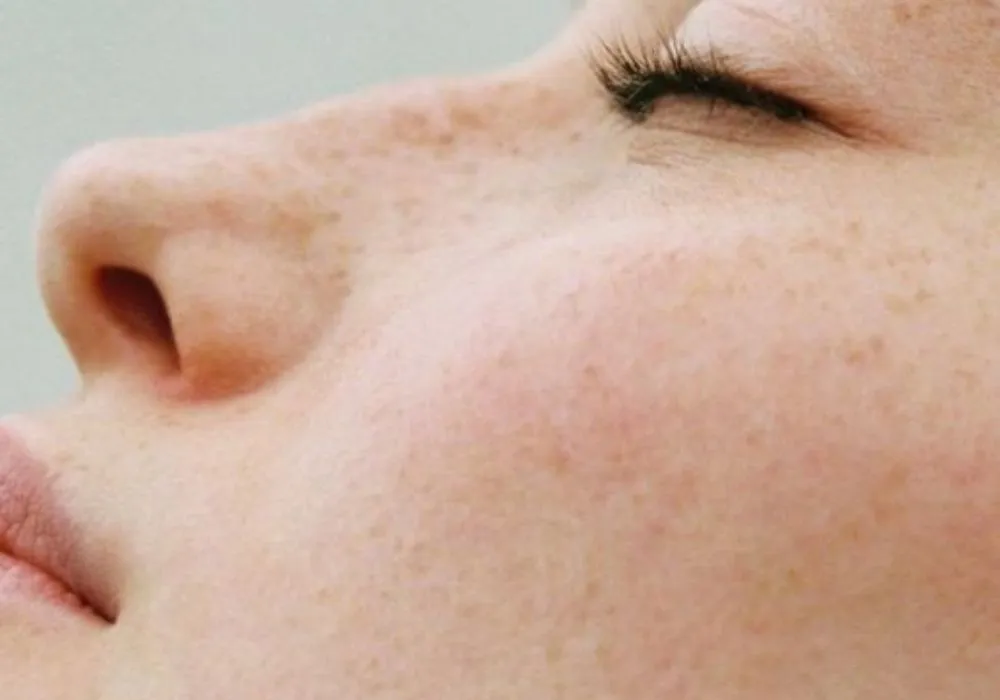
Uneven skin tone is rarely “just cosmetic.” It is often your skin showing what has been going on underneath, sun, inflammation, hormones, ageing, or a weakened barrier. Some people notice a faint patchiness; others see clearly defined darker, lighter, or redder areas. Because each pattern has a different cause, the right plan starts with understanding why your skin looks the way it does. On this page we explain how discolouration develops, why it can be stubborn, and how a doctor-led approach at Revival can help you work toward a clearer, more balanced complexion over time.
Three types of discolouration
“Pigmentation” is often talked about as one problem, but it shows up in different ways, and each type needs a different strategy. In the video below, we walk through common forms of discolouration: what is driven by the sun, what is linked to hormones, and why marks can linger long after acne or irritation has settled. Once you know the cause, treatment can be safer and more precise, especially on deeper skin tones.
Revival Solutions Available to You
Revival Recommended Treatments


Discolouration simply means your skin’s colour looks different from the surrounding area, darker, lighter, redder, or blotchy. It is common, but it is not always harmless “vanity.” Often it points to inflammation, UV damage, hormone shifts, visible blood vessels, or a barrier that is not recovering well.
At Revival we rarely see one cause acting alone. Our doctors look at the full picture, your skin type, history, and triggers, then build a plan that targets the colour change while supporting the skin underneath, not just a quick cosmetic fix.
What Causes Skin Discolouration?
Your skin’s colour comes from melanin, blood flow, and how thick or thin the surface is. When any of these are thrown off balance, patches can appear. Frequent contributors include:
- Sun and UV exposure, including visible light and infrared.
- Inflammation or injury, from acne, eczema, or even some treatments.
- Hormonal changes, including pregnancy and contraceptives.
- Family tendency toward pigmentation or redness.
- Ageing and years of environmental exposure.
- Vascular changes such as broken capillaries or persistent redness.
- A weakened barrier and slow cell turnover.
Because several factors can overlap, an accurate assessment matters before treatment begins.
Common Types of Discolouration
Below is a brief overview. We go deeper on related conditions elsewhere on the site:
- Brown or grey-brown patches (often melasma or sun-related pigment)
- Post-inflammatory hyperpigmentation (PIH) after acne, rashes, or injury
- Redness and vascular tone changes, including general facial flushing
- Uneven, mottled pigment on the face, neck, or chest
- Poikiloderma of Civatte, a mix of pigment, redness, and thinning skin, often on the neck
Each of these behaves differently in the skin, so treatment should be matched to the diagnosis, not copied from a generic routine.
Why Discolouration Is Often Difficult to Treat
Colour changes can sit in the upper layers of the skin or deeper down. Sometimes pigment cells stay “switched on” even when a patch looks lighter on the surface, which is why marks can return.
Other reasons progress can feel slow include:
- Strong sun and visible light year-round in South Africa.
- Hormonal triggers that cannot simply be turned off.
- Fresh inflammation that re-stimulates melanin production.
- Harsh or incorrect skincare that damages the barrier.
That is why we favour steady, doctor-led improvement over aggressive one-size-fits-all protocols.
Our Doctor-Led Approach
Your plan is built around your skin, not a template. It may include:
Professional Skin Assessment
We start with a consultation to establish:
- The type and depth of your discolouration.
- Your Fitzpatrick skin type and PIH risk.
- Lifestyle, hormonal, and environmental factors.
- Previous treatments and how reactive your skin is.
In-Clinic Treatments
Depending on what we find, options may include:
- Light and laser technologies such as Limelight, Acutip, Laser Genesis, and Pico Toning.
- Resurfacing and collagen-stimulating treatments such as R.Pen, RF microneedling, Endymed FSR, and Fractional Fusion.
- Medical-grade chemical peels.
- Vascular-focused devices where redness is the main concern.
Settings and intervals are chosen to limit inflammation and reduce the chance of rebound darkening.
Medical-Grade Skincare
Home care is what holds results together. We may recommend:
- Ingredients that help regulate pigment over time.
- Barrier-repair formulas.
- Antioxidants.
- Daily broad-spectrum SPF, including protection from visible light where appropriate.
Internal Skin Health Support
Sometimes colour changes are influenced by inflammation, oxidative stress, or hormones inside the body. Where it makes sense, we may discuss:
- Targeted supplements
- Gut and liver support
- Practical steps to reduce known triggers
Prevention: Protecting Against Future Discolouration
Stopping new patches is as important as treating existing ones. Habits that help include:
- Daily SPF that covers UVA, UVB, and visible light where possible.
- Consistent antioxidant use.
- Avoiding unnecessary heat and skin irritation.
- Gentle routines that support the barrier.
- Treating early pigment before it becomes entrenched.
Frequently Asked Questions
Discolouration consultations and treatments are offered at our Rivonia, Sandton practice on the second floor of the Health and Wellness Center, 353 Rivonia Boulevard. Contact us to book an assessment with one of our doctors.
Mild marks sometimes fade as the skin renews, especially if the trigger was brief. Persistent or recurring discolouration usually means something is still stimulating the skin, ongoing sun, inflammation, or hormones. Without addressing those drivers, patches often linger or deepen rather than disappear on their own.
It can. Heat, sun, flushing, dehydration, and even the way light hits your face can make patches look more obvious at certain times. In South African summers, higher UV and visible light can intensify pigment despite sunscreen. Hormonal shifts and a stressed barrier can also change how evenly tone appears day to day.
Not always dangerous, but often a sign the skin has been under stress, especially from sun or inflammation. Sometimes it reflects gradual damage rather than a single event. A professional assessment helps rule out anything that needs medical attention and guides sensible treatment.
Yes. Over-exfoliating, harsh actives, fragrance, or misusing “brightening” products can inflame the skin, weaken the barrier, and trigger more pigment. With pigmentation, calm and consistent usually beats aggressive, barrier support matters as much as correction.
Progress is gradual and depends on the type, depth, and cause of the discolouration. You may notice early shifts within weeks, but stable, lasting improvement often takes several months. Rushing with harsh treatments can increase rebound pigmentation, patience and consistency are part of safe care.
It can, if the original triggers return, sun, hormones, or repeated inflammation. Maintenance skincare, diligent protection, and lifestyle awareness all help preserve results. Check-ins and early treatment of new patches reduce the chance of everything coming back.
Download Brochure