



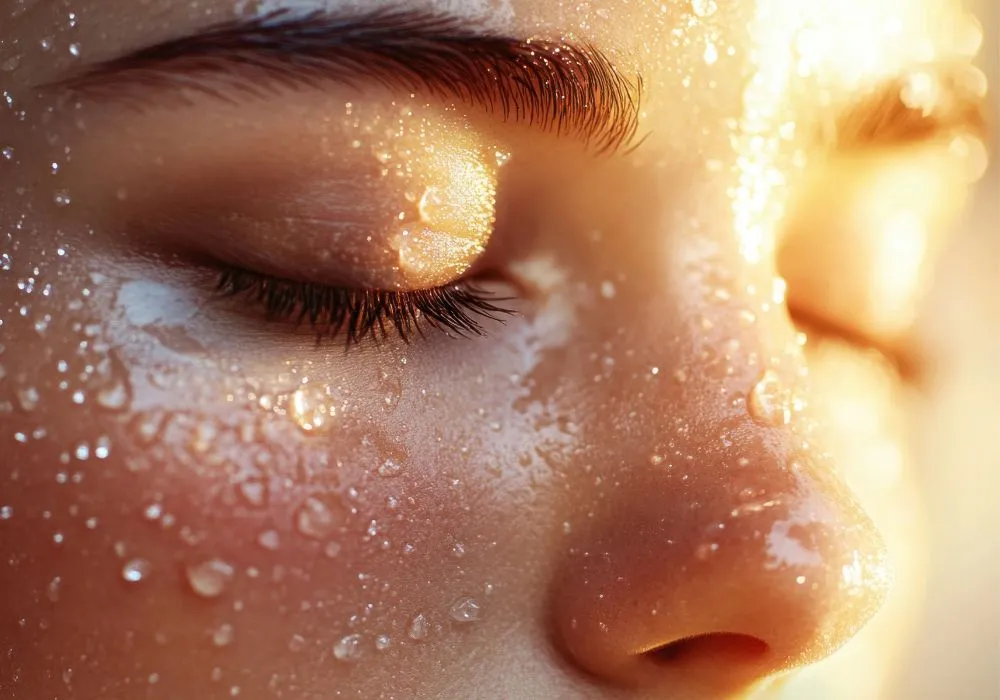
Southern Hemisphere sunlight is not just warmer, it carries more UV risk. Countries such as South Africa, Australia, and New Zealand regularly record among the world's highest UV index readings, so sun protection matters every month of the year. Thinner ozone cover, closer Earth-sun distance in summer, and cleaner air all mean more radiation reaches the skin, raising the risk of sunburn, premature ageing, pigmentation problems, and skin cancer.
Struggling with crepey neck skin? Watch this!
Crepey neck skin is often one of the first visible signs of ageing, yet the neck and chest are easy to overlook in daily routines. In this video, Our clinical team explains why these areas age faster, how perfume and sun exposure contribute, and which advanced treatments can restore firmness and reduce redness, pigment, and spider veins, from SPF prevention to RF microneedling and IPL.
Revival Solutions Available to You
Revival Recommended Treatments


Why Southern Hemisphere UV Hits Harder
- Distance and season: During summer, Earth-sun geometry and seasonal tilt combine to deliver stronger UV at Southern Hemisphere latitudes.
- Ozone and atmosphere: Periodic ozone thinning over southern latitudes and generally clearer air let more UV through, especially at altitude, near the coast, and on reflective surfaces such as water, sand, and pale concrete.
- South Africa in context: Summer UV Index readings often reach extreme levels across many provinces. High cumulative exposure and outdoor lifestyles increase photoageing and skin cancer risk across all skin tones.
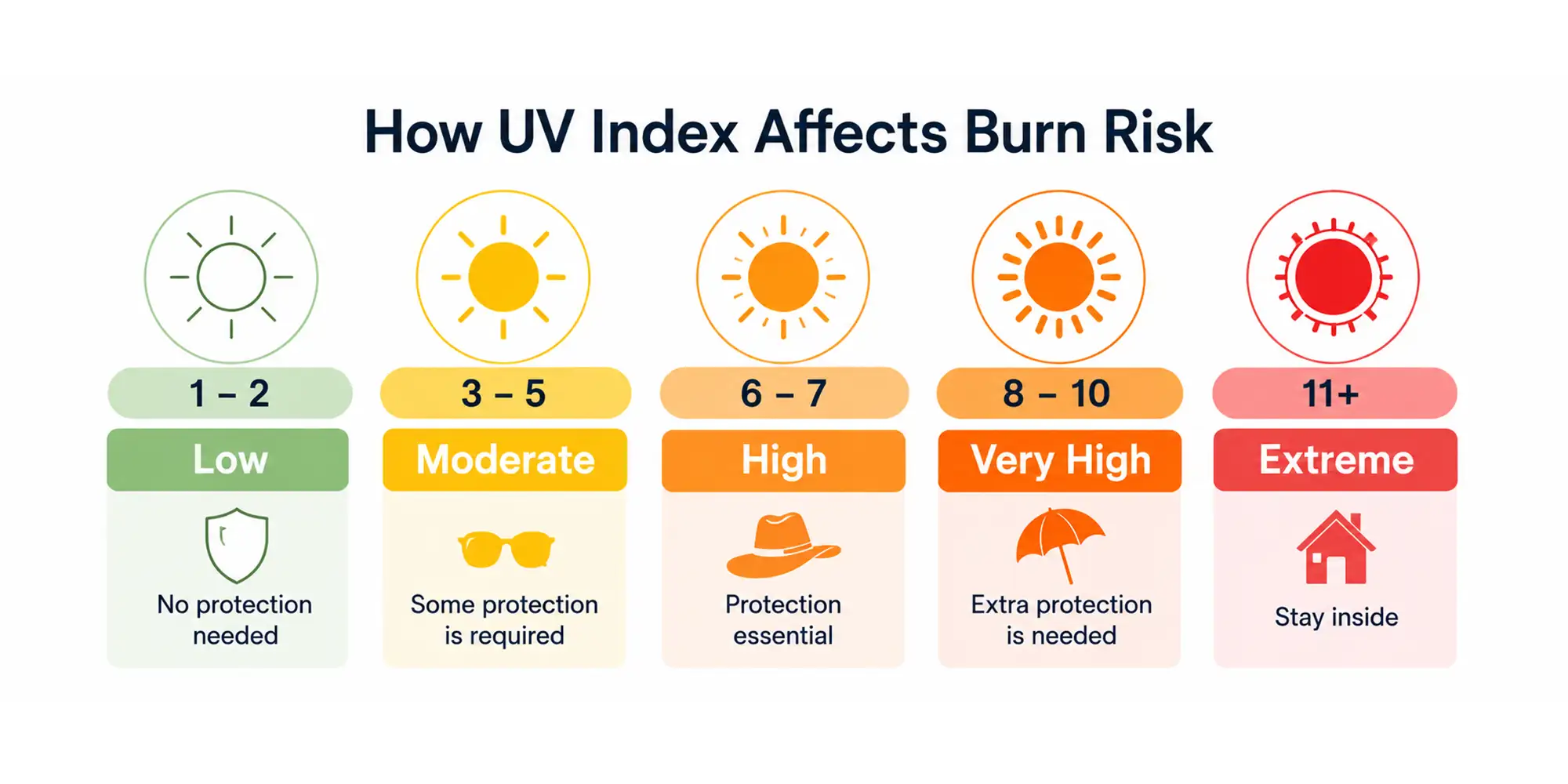
How UV Index Affects Burn Risk
Typical Sun-Related Skin Conditions
Heat-Related Problems
- Heat rash (prickly heat): small red bumps and itching in sweat-prone areas such as the neck, back, and chest.
- Folliculitis: infection of hair follicles linked to heavy sweating and bacteria.
UV-Induced Skin Damage
- Sunburn: UVB-related DNA injury causing redness, pain, and blistering.
- Photoageing: UVA breaks down collagen and elastin, leading to wrinkles, sagging, and age spots.
- Solar elastosis: lasting texture changes from years of sun exposure.
Pigmentation Disorders
- Melasma: dark patches on cheeks, forehead, and chin, often worsened by sun.
- Hyperpigmentation: uneven tone from increased melanin production.
- Actinic keratosis: rough precancerous patches; roughly 10-15% can progress to squamous cell carcinoma.
Sun-Related Allergic Reactions
- Polymorphous light eruption (PMLE): red, itchy rash after the first intense sun of the season.
- Photodermatitis: sun sensitivity triggered by medications, fragrance, or chemicals.
Skin Cancer Risk in South Africa
- South Africa has among the highest skin cancer rates globally, with more than 20,000 non-melanoma cases reported annually.
- High UV, outdoor living, and ozone depletion all contribute to elevated cancer risk.
Why Darker Skin Can Still Burn
Preventing sunburn in darker skin still comes down to shade, protective clothing, and daily broad-spectrum sunscreen. Higher melanin offers some natural defence, roughly equivalent to SPF 3-5, but it does not block UV damage, burns, photoageing, or pigment flare-ups on its own.
- Melanin reduces but does not remove UV exposure; even very dark skin can burn, peel, and sustain DNA damage after intense exposure, especially near water, at altitude, or in peak UV hours.
- Clinical data confirm sunburn in skin of colour, though it may be less frequent and harder to see; pain, heat, tightness, and later peeling are important clues.
- Natural pigment alone is insufficient; typical estimates put inherent protection around SPF 4, so additional protection is still needed.
- UV can darken existing marks (PIH) and flare melasma; daily sunscreen plus hats and shade are essential. Tinted mineral filters with iron oxides can help against visible-light-driven darkening.
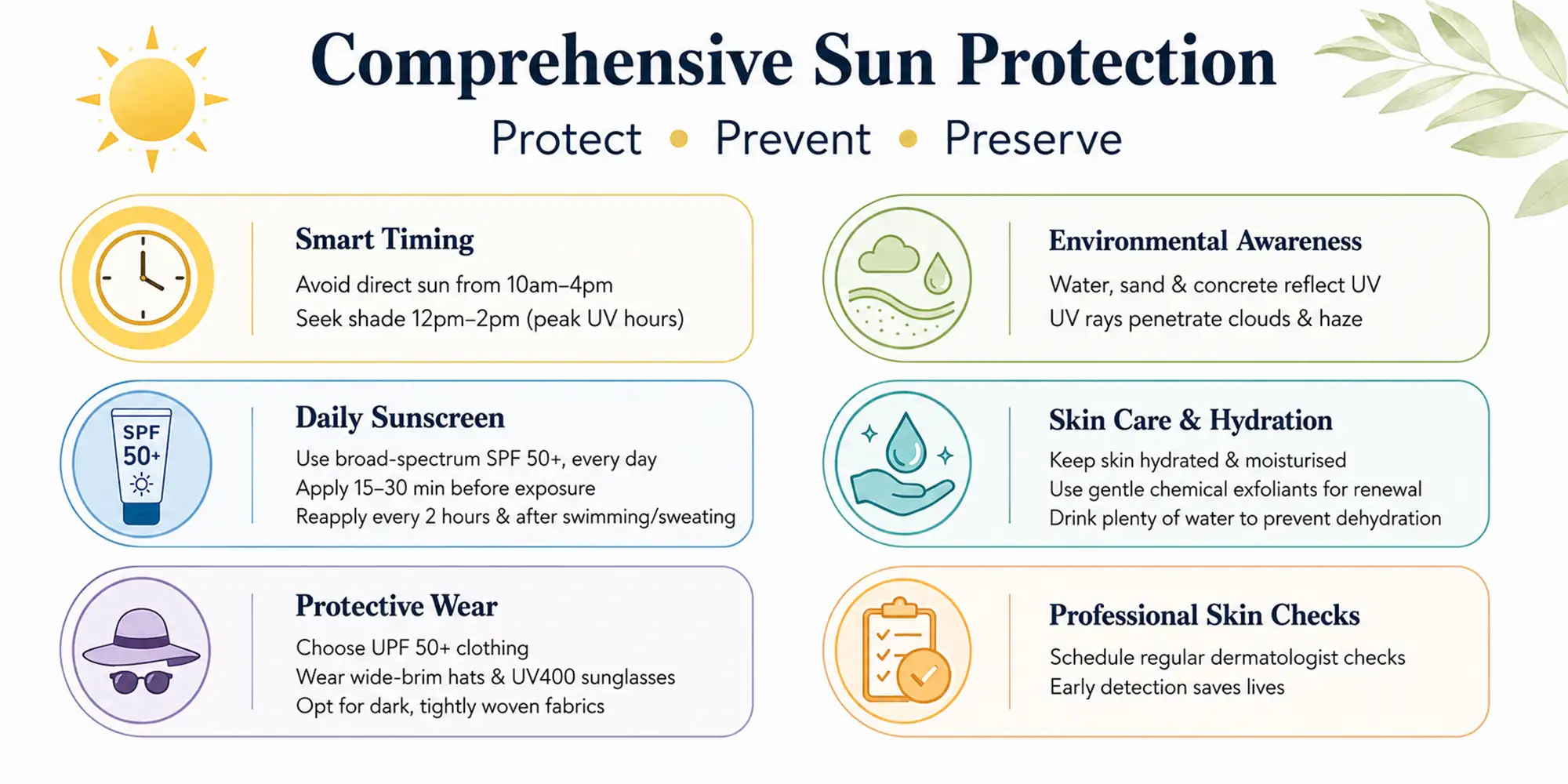
Comprehensive Sun Protection Strategies
Frequently Asked Questions
SPF 30 can be enough for brief, incidental exposure, walking to the car or a short errand outdoors. In South African summers, when the UV Index often hits “extreme” (11+), SPF 50+ is the safer choice. It blocks a higher percentage of rays and gives more room for under-application or missed reapplication every two hours. For beach days, sport, and long outdoor sessions, SPF 50+ is strongly recommended.
Yes. Darker skin has more melanin, which lowers sunburn and melanoma risk compared with very fair skin, but UV damage still occurs. Common concerns include:
- Melasma (dark facial patches).
- Post-inflammatory hyperpigmentation (PIH) after acne or injury.
- Photoageing, uneven tone, texture change, and fine lines.
- Skin cancer risk, though lower, is not zero.
Daily sunscreen helps maintain an even complexion and supports long-term skin health across all tones.
Both mineral (physical) and chemical sunscreens work well when applied properly. The best fit depends on skin type, lifestyle, and preference:
Mineral sunscreens (zinc oxide, titanium dioxide):
- Reflect UV at the skin surface.
- Often suit sensitive skin and conditions such as rosacea and melasma.
- Newer tinted formulas blend better on medium to deep skin tones.
- Less likely to irritate, though can feel heavier.
Chemical sunscreens (avobenzone, octocrylene, etc.):
- Absorb UV and convert it to heat.
- Lightweight textures that encourage daily use.
- Often more water- and sweat-resistant, useful for sport and outdoor activity.
The best sunscreen is the one you will apply generously and reapply. Many people keep both types for different situations.
Not fully. Standard glass blocks most UVB (the main sunburn wavelength) but still allows UVA through. UVA penetrates deeper, contributing to premature ageing, collagen loss, and pigmentation, which is why drivers often notice more damage on the window-facing side of the face.
If you spend long hours by windows, driving, working, or at home in natural light, daily broad-spectrum sunscreen is advisable. UV-protective window film can also reduce indoor UVA exposure significantly.
Download Brochure